
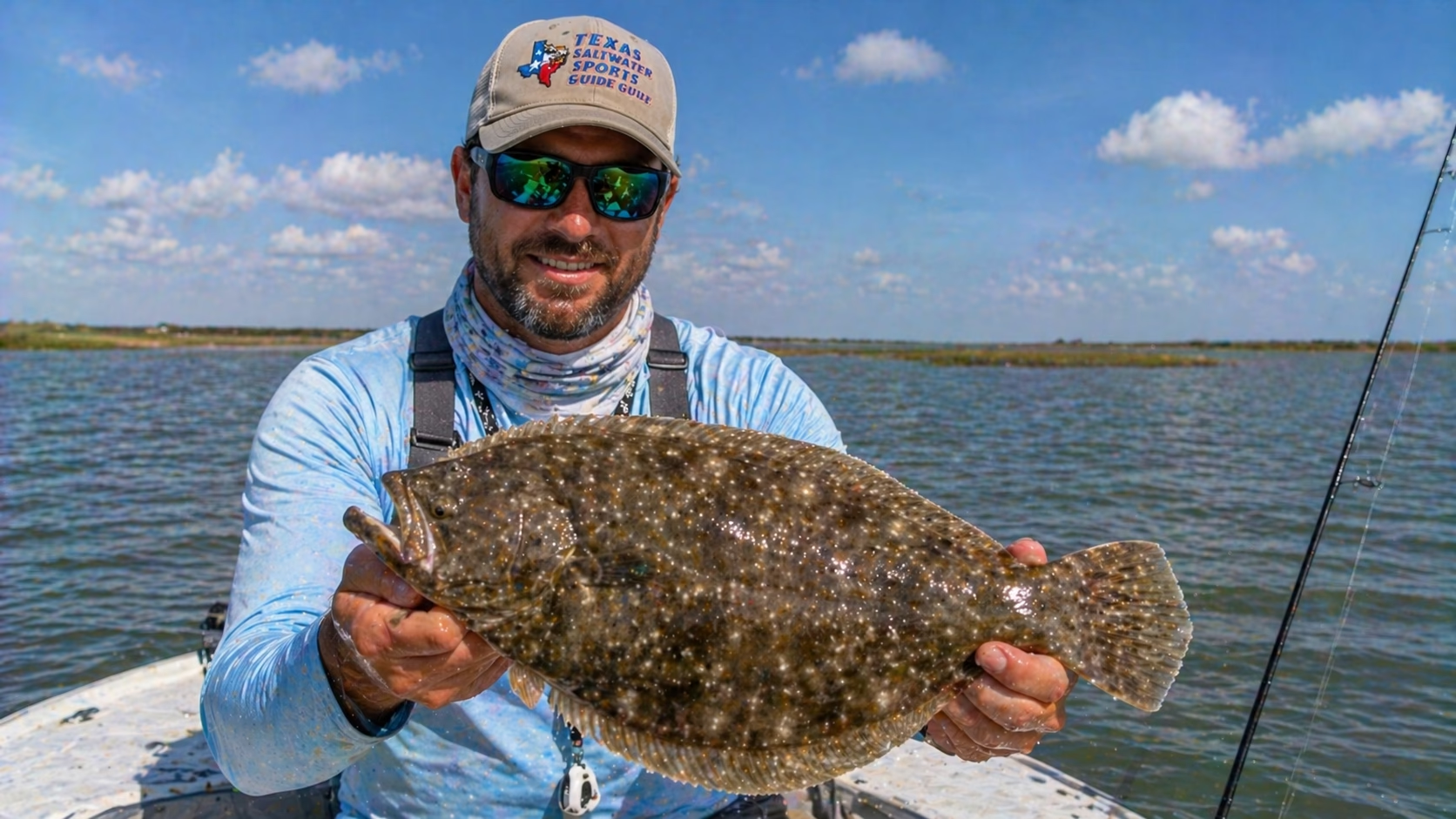
A slow, steady Texas coast story told along muddy bottoms and tidal edges
There’s a different kind of patience required for flounder. It’s not the explosive kind you feel with a redfish pushing water, and it’s not the subtle thump of a trout in clear grass. Flounder are quieter than that. They lie still, half-buried in mud or sand, waiting for something to drift just a little too close.
If you’ve ever fished for them long enough, you know the feeling. A soft bump. A hesitation. Then that old voice in your head reminding you, “Wait… let him have it.”
Flounder fishing in Copano Bay is like that. It rewards the angler who slows down, pays attention, and respects the rhythm of tide and structure. It’s not flashy fishing. But it’s honest. And when you figure it out, there’s nothing quite like it.
Let’s ease into it the way a good flounder bite comes together—deliberate and worth the wait.
Copano Bay Overview: Built for Flounder
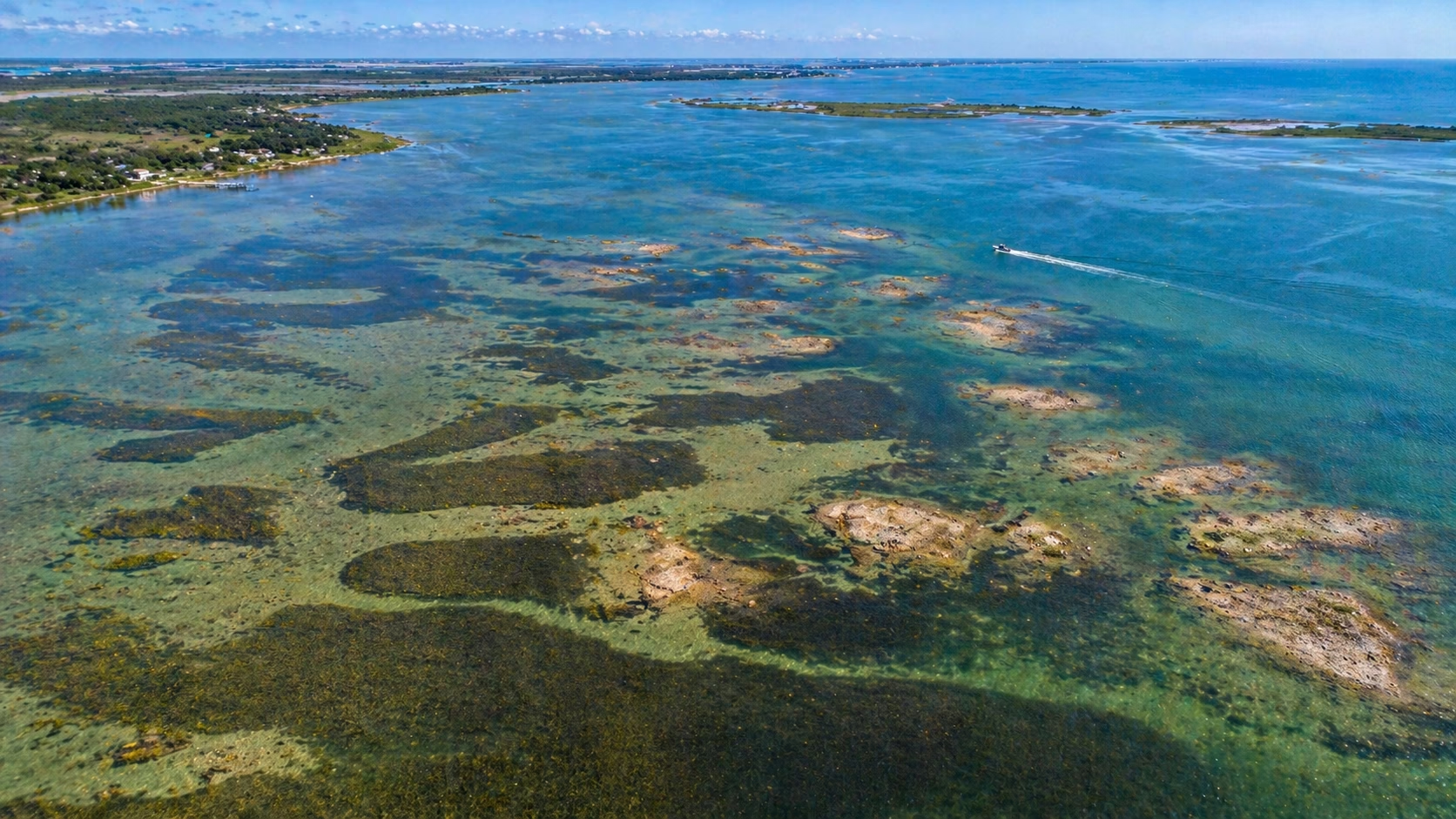
Copano Bay sits just north of Rockport, part of the Aransas Bay system along the middle Texas coast. It’s a broad, shallow bay with just enough structure and tidal movement to create ideal conditions for flounder.
-
Size: Roughly 10–12 miles across
-
Average Depth: 3–6 feet
-
Bottom Composition: Mud, sand, shell, and scattered grass
Flounder are bottom dwellers. They prefer soft bottoms where they can settle in and ambush prey. Copano’s mix of mud flats, sandy shorelines, and tidal drains makes it a natural fit.
Rivers That Feed the Bay
Copano Bay is nourished by two primary freshwater sources:
-
Aransas River
-
Mission River
These rivers bring nutrients that support shrimp, mullet, and small baitfish—exactly what flounder feed on. According to Texas Parks & Wildlife fishing reports, areas influenced by freshwater inflow often hold increased bait concentrations, especially after rains.
That’s where flounder tend to stack up.
Fish Species in Copano Bay
While flounder are the focus here, Copano Bay supports a full lineup:
-
Speckled Trout
-
Redfish
-
Black Drum
-
Flounder
-
Sheepshead
Flounder might not be the most glamorous fish in the bay, but they’re one of the most rewarding to figure out—and one of the best on the table.
Bait Camps, Marinas, and Boat Ramps
There’s still a touch of the old coast around Copano. Nothing fancy. Just the essentials, and folks who know what works.
Boat Ramps & Access
Copano Bay State Fishing Pier (TPWD)
-
146 Park Rd 13, Rockport, TX 78382
-
Phone: (361) 729-2858
-
Website: https://tpwd.texas.gov
Goose Island State Park Boat Ramp
-
202 S. Palmetto St., Rockport, TX 78382
-
Phone: (361) 729-2858
Rockport Beach Park Boat Ramp
-
210 Seabreeze Dr, Rockport, TX 78382
-
Phone: (361) 729-6661
-
Website: https://cityofrockport.com
Local Bait Camps
You’ll find:
-
Live shrimp
-
Finger mullet
-
Mud minnows (excellent for flounder)
Ask around the counter long enough, and someone will point you toward the nearest drain or drop-off that’s been holding fish.
Lodging Near Copano Bay
Fishing for flounder often means early mornings and late evenings around moving tides.
Goose Island State Park Campground
-
202 S. Palmetto St., Rockport, TX
-
Phone: (361) 729-2858
-
Website: https://tpwd.texas.gov
Copano Bay RV Resort
-
3101 FM 1781, Rockport, TX 78382
-
Phone: (361) 729-5900
-
Website: https://copanorv.com
La Quinta Inn & Suites Rockport
-
2921 Highway 35 N, Rockport, TX 78382
-
Phone: (361) 727-9824
-
Website: https://wyndhamhotels.com
Waterfront rentals with access to channels or drains can be especially productive for flounder fishing.
Getting There
From Austin (3 hours)
US-183 South → US-77 South → TX-188
From Houston (3 hours)
US-59 South → TX-35 South
From Dallas / Fort Worth (6–7 hours)
I-35 South → US-77 South
From San Antonio (2.5 hours)
I-37 South → TX-188
From Corpus Christi (30 minutes)
TX-35 North
Weather and Seasonal Influence
Flounder respond heavily to:
-
Water temperature
-
Tidal movement
-
Seasonal migration
Seasonal Overview
-
Spring: Scattered, moderate activity
-
Summer: Consistent, shallow feeding
-
Fall: Peak migration and best fishing
-
Winter: Slower, deeper patterns
Flounder Limits and Regulations (TPWD)
Regulations can vary by season:
-
Daily Limit: Typically 2–5 fish depending on season
-
Size Limit: Usually 14 inches minimum
Fall migration often comes with special regulations, so always check:
Where to Catch Flounder in Copano Bay
Flounder are structure-oriented fish. They don’t roam like trout or redfish.
1. Tidal Drains
This is flounder country.
-
Water moving out pulls bait
-
Flounder wait at the mouths
Fish these areas thoroughly.
2. Channel Edges
Flounder sit along drop-offs.
-
Depth changes of 1–3 feet matter
-
Especially productive during tide movement
3. Mud and Sand Flats
Soft bottom allows flounder to bury themselves.
-
Look for slight depressions
-
Fish slowly across these areas
4. Shorelines and Points
Particularly where current sweeps bait along.
5. Marsh and Back Lakes
Especially productive in fall migration.
How to Catch Flounder in Copano Bay
Bay Boat Fishing
-
Drift slowly along channels
-
Use trolling motor to work edges
-
Focus on bottom contact
Wade Fishing
Ideal for flounder.
-
Move slowly
-
Drag bait along bottom
-
Cover small areas thoroughly
Shore and Pier Fishing
-
Fish around lights at night
-
Focus on structure and current
Tides: The Key to Flounder Fishing
Flounder rely on moving water.
-
Outgoing tide: best for drains and channels
-
Incoming tide: fish edges and flats
No movement usually means slow fishing.
Flounder Fishing by Season
Spring
-
Fish scattered
-
Focus on structure
-
Moderate activity
Summer
-
Shallow water feeding
-
Early morning and evening best
-
Consistent bite
Fall (Peak Season)
This is what folks wait for.
-
Flounder migrate toward the Gulf
-
Stack up in channels and passes
-
TPWD reports consistently highlight fall as prime time
Winter
-
Fish move deeper
-
Slow presentations required
Best Rods and Reels
-
Rod: 6’6”–7’ medium-light
-
Reel: 2500 spinning
Line and Leader
-
10–15 lb braid
-
20 lb fluorocarbon leader
Best Lures and Baits for Flounder
Soft Plastics
-
3–4 inch paddle tails
-
Colors:
-
White
-
Chartreuse
-
New penny
-
Gulp! Shrimp
Highly effective according to TPWD reports.
Live Bait
-
Mud minnows
-
Finger mullet
-
Live shrimp
Jigheads
-
1/4 oz most common
-
Enough weight to stay on bottom
Presentation: The Most Important Part
Flounder fishing is about patience.
-
Keep lure on bottom
-
Use slow drags
-
Pause often
When you feel a bite:
-
Don’t set the hook immediately
-
Give the fish time
That pause makes all the difference.
Depth and Water Clarity
-
Shallow: 1–3 feet
-
Channels: 3–8 feet
-
Winter: deeper
Water clarity matters less than movement and structure.
Boating Safety on Copano Bay
Copano can be tricky.
-
Shallow areas everywhere
-
Oyster reefs just below surface
-
Wind can build quickly
Always:
-
Wear a life jacket
-
Monitor weather
-
Use charts and GPS
-
Idle unfamiliar water
Final Thoughts: The Quiet Payoff
To understand flounder fishing in Copano Bay, you have to embrace the slow pace.
You’re not chasing fish. You’re working through water. Feeling your way along the bottom. Paying attention to subtle changes most folks overlook.
And then it happens.
That soft thump.
That pause.
That moment when you finally lean back and feel the weight come alive on the end of your line.
It’s not loud. It’s not flashy.
But it’s real.
And if you’ve spent enough time on Copano Bay, you’ll know exactly why that kind of fishing stays with you long after the day is done.
0 Comments