
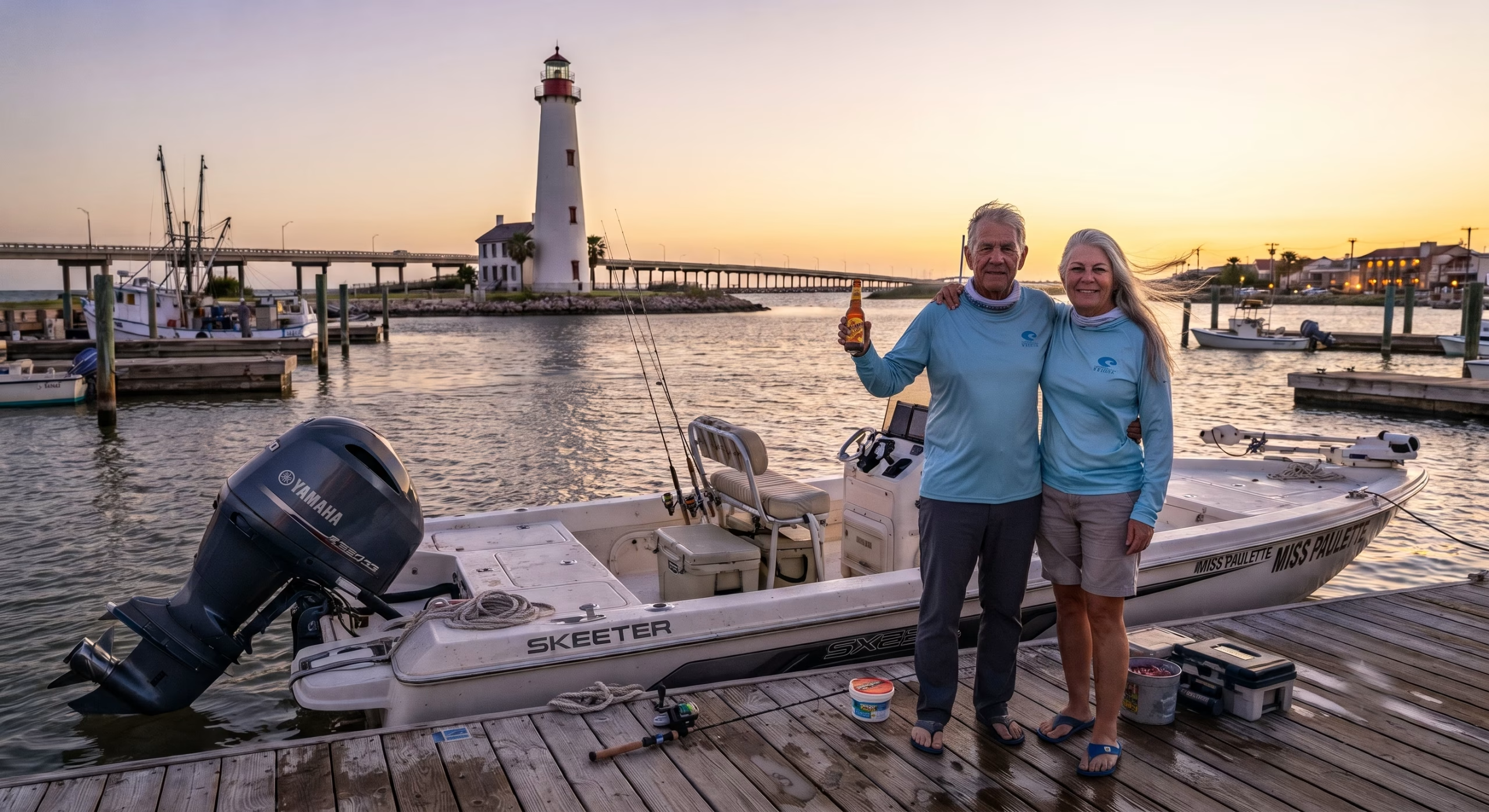
Pull up a chair, grab a cold glass of iced tea, and let me tell you about one of the most incredible adventures Paulette and I have ever checked off our bucket list. If you’ve spent any time reading our guides here at the Texas Saltwater Fishing Guide network—like our deep dives into Corpus Christi Bay Fishing: A Complete Guide to the Texas Coastal Bend or the timeless traditions in Wade Fishing the Laguna Madre: A Timeless Texas Gulf Coast Tradition—you already know how deeply we love the water. But seeing the Texas coast from the steering wheel of a car is one thing; running the entire length of it through the heart of the Gulf Intracoastal Waterway (GIWW) is an entirely different beast.
We didn't just dream about it this time—we did it. With our trusty white-hulled Skeeter SX230 bay boat—featuring that clean flat stern, powered by a purring, reliable white Yamaha F250XB—and a 55-gallon fuel tank, Paulette and I mapped out a legendary four-day cruise from Galveston all the way down to the historic shores of Port Isabel. If you've ever wondered what it takes to tackle the "ditch" across roughly 380 to 390 statute miles of winding channels, open bays, and coastal marshland, grab your polarized sunglasses. We're breaking down every single mile, meal, fuel stop, and overnight stay of our journey.
Laying the Groundwork: Math, Motors, and Preparation
Before you untie the lines and point a bay boat south toward the Rio Grande Valley, you have to respect the math. A 23-foot bay boat like our Skeeter SX230 powered by a Yamaha F250XB burns roughly 10 to 14 gallons per hour (GPH) at a moderate, efficient cruising speed of 30 to 35 MPH, yielding about 2.5 to 3.0 MPG depending on your load, chop, and trim. Across the total distance of roughly 380 to 390 statute miles, that translates to about 11 to 13 hours of pure engine-running time.
Now, trying to push through all of that in a single daylight window is virtually impossible and dangerously unsafe given winding channels, barge traffic, and fluctuating speed zones. That’s why we planned it as a measured, multi-day expedition. Furthermore, our 55-gallon tank leaves us with 44 gallons of usable fuel once you factor in a safe 20% working reserve (11 gallons). At roughly 3 MPG, our safe operational range is about 132 miles, but in real-world coastal conditions—headwinds, boat wakes, and trimming through shallow cuts—we planned our fuel stops every 100 to 110 miles to maintain a comfortable safety buffer.
With our cooler packed, tackle secured, and safety gear double-checked, we set our sights on Galveston.
The Prequel: Overnighting in Galveston
We rolled into Galveston the afternoon before Day 1, opting to stay right near the historic strand to let our minds settle and our excitement build. Galveston has a historic grit and coastal charm that sets the mood for any marine adventure. We checked into a cozy local historic hotel, walked down to the seawall to catch a salty breeze rolling off the Gulf, and settled in for a hearty dinner of fresh Gulf redfish and local sides at a classic harbor-front restaurant.
Sleeping just footsteps away from the water gave us that unmistakable pre-trip electricity. We knew that come sunrise, the hum of the city would fade, replaced entirely by the song of the Yamaha outboard and the endless horizons of the Texas Gulf Coast.
Day 1: Leaving Galveston Behind and Pushing to the Matagorda / Palacios Area
The Run: Approximately 75 to 85 miles.
Fuel Stop: Colorado River / Matagorda harbor area or Tres Palacios Bay (Palacios).
The morning sun broke over Galveston Bay with a brilliant burst of gold and orange as Paulette untied the bow line. We eased the Skeeter SX230 away from the dock, let the Yamaha warm up, and slipped into the GIWW channel. The morning air was crisp, carrying that familiar scent of salt marsh and baitfish.
Cruising southwest down the ditch, you immediately feel the industrial pulse of the Houston ship channel give way to the wild, open expanse of the middle coast. We maintained a steady, comfortable clip of 32 MPH, letting the boat ride smooth over the morning chop. Navigation requires your full attention here; commercial barge traffic is a reality on the ICW, so keeping a sharp eye on your radar, markers, and AIS makes all the difference.
As we approached our first major operational threshold, we pulled off the main canal into the Palacios area along Tres Palacios Bay. This stop keeps you well within your safe first leg before you attempt to cross the wide, exposed reaches of Matagorda Bay. We tied up at a local fuel dock, pumped in fresh, ethanol-free marine fuel for the Yamaha, and stretched our legs.
For lunch, we found a quaint local spot right on the water in Palacios serving up hand-breaded Gulf shrimp baskets and ice-cold sweet tea. Sitting across the table from Paulette, watching fishing boats drift past the marina bulkhead, we both smiled—Day 1 was safely in the books, and the rhythm of the trip had officially taken hold.
Day 2: Crossing the Bays to Seadrift / Port O'Connor
The Run: Approximately 80 to 95 miles.
Fuel Stop: San Antonio Bay / Port O'Connor waterfront facilities (such as the POC Bait House).
Day 2 greeted us with a soft blanket of low-hanging fog rolling across the water. After a quick breakfast at a local diner, we loaded back into the Skeeter, fired up the engine, and navigated carefully out of the harbor. Crossing Matagorda Bay is always an exercise in respect; when the wind kicks up, those open bays can transform quickly, but our shallow-draft bay boat handled the chop like an absolute champion.
We threaded our way through the narrow cuts and channels, keeping our eyes peeled for diving gulls and tailing redfish along the marsh edges. This leg of the journey cuts right past some of the finest fisheries in the state—waters celebrated in guides like our Mastering Saltwater Bay Boat Outboard Motor Maintenance: A Comprehensive Guide, which reminds us just how vital routine check-ups are when you're miles away from the nearest mechanic.
By early afternoon, we pulled into the Port O'Connor / Seadrift area, perfectly splitting the middle of the Texas coast. We ducked into the waterfront facilities near the POC Bait House to top off our fuel tank, ensuring we had a full reserve before tackling the upcoming stretches of San Antonio and Aransas Bays. For lunch, we grabbed some famous local fish tacos at a casual open-air deck overlooking the jetties, sharing stories with local guides who gave us a quick nod of respect for running the ditch all the way from Galveston.
Day 3: Through Aransas Pass and Down to Baffin Bay / Port Mansfield
The Run: Approximately 70 to 85 miles.
Fuel Stop: Conn Brown Harbor (Aransas Pass) followed by Kaufer-Hubert Park (Riviera/Baffin area) or Port Mansfield Navigation District marina.
Day 3 was all about diversity. We fired up the Yamaha and made the run across Aransas Bay toward Aransas Pass, stopping briefly at the reliable fuel docks right off the ICW at Conn Brown Harbor. This major hub gave us a fresh tank of fuel just in time to tackle the long, remote stretches down through Corpus Christi Bay and into the upper reaches of the Laguna Madre.
As we pushed further south, the landscape changed dramatically. The bustling marinas and coastal communities gave way to vast, untouched stretches of shallow grass flats and remote wildernesses. The Laguna Madre is notoriously long, shallow, and sparse on direct fuel docks right on the ditch, making our stop at Port Mansfield an absolute necessity to ensure we wouldn't run dry on our final push.
Paulette took a turn at navigating through some of the tighter GIWW markers while I monitored our fuel burn and engine gauges. Seeing her stand up on the deck, wind in her hair, scanning the horizon for porpoises and wading birds, reminded me why we take these trips. That evening, we pulled into our overnight stop near the lower coast, tired, sun-kissed, and utterly content. We enjoyed a quiet, hearty dinner of grilled ribeyes at a local steakhouse, reliving the day's wildlife sightings—from soaring ospreys to schools of mullet bursting across the shallow flats.
Day 4: The Final Stretch into Port Isabel and Exploring the Deep South
The Run: Approximately 60 miles south of Port Mansfield to Port Isabel.
Final Destination: Port Isabel / Brownsville waterfront.
The final morning of our voyage arrived with clear blue skies and a gentle, welcoming breeze. We packed our remaining gear into the waterproof hatches of the Skeeter, pushed off the dock, and pointed our bow south for the home stretch through the lower Laguna Madre. The water here takes on a brilliant, emerald-green hue that is entirely unique to South Texas.
As we cruised past the iconic Queen Isabella Causeway, the historic Port Isabel Lighthouse came into view, standing tall as a beacon welcoming us home. We eased back on the throttle, let the Yamaha settle into a quiet idle, and glided into the marina slip. We had officially run the entire length of the Texas Gulf Coast from Galveston to Port Isabel!
After securing the boat and giving the outboard a quick freshwater flush, Paulette and I spent the rest of the day sightseeing. We climbed to the top of the historic Port Isabel Lighthouse for a breathtaking panoramic view of the Laguna Madre and South Padre Island, explored the local museums, and celebrated our safe arrival with a phenomenal waterfront dinner featuring fresh local snapper and cold drinks as the sun melted into the bay.
Final Thoughts from the Helm
Running a 23-foot bay boat down the Gulf Intracoastal Waterway from Galveston to Port Isabel is not just a boating trip—it’s a masterclass in coastal geography, self-reliance, and shared adventure. With a reliable boat like our Skeeter SX230, a dependable Yamaha F250XB, a meticulous fuel plan, and the best first mate a captain could ask for, Paulette and I created memories that will last a lifetime.
If you’ve ever considered tackling the ditch yourself, take our advice: plan your legs carefully, respect the commercial traffic, support the local bait camps and marinas along the way, and keep your eyes wide open to the incredible natural beauty of the Texas coast. Tight lines, smooth cruising, and we’ll see you out on the water!
0 Comments