
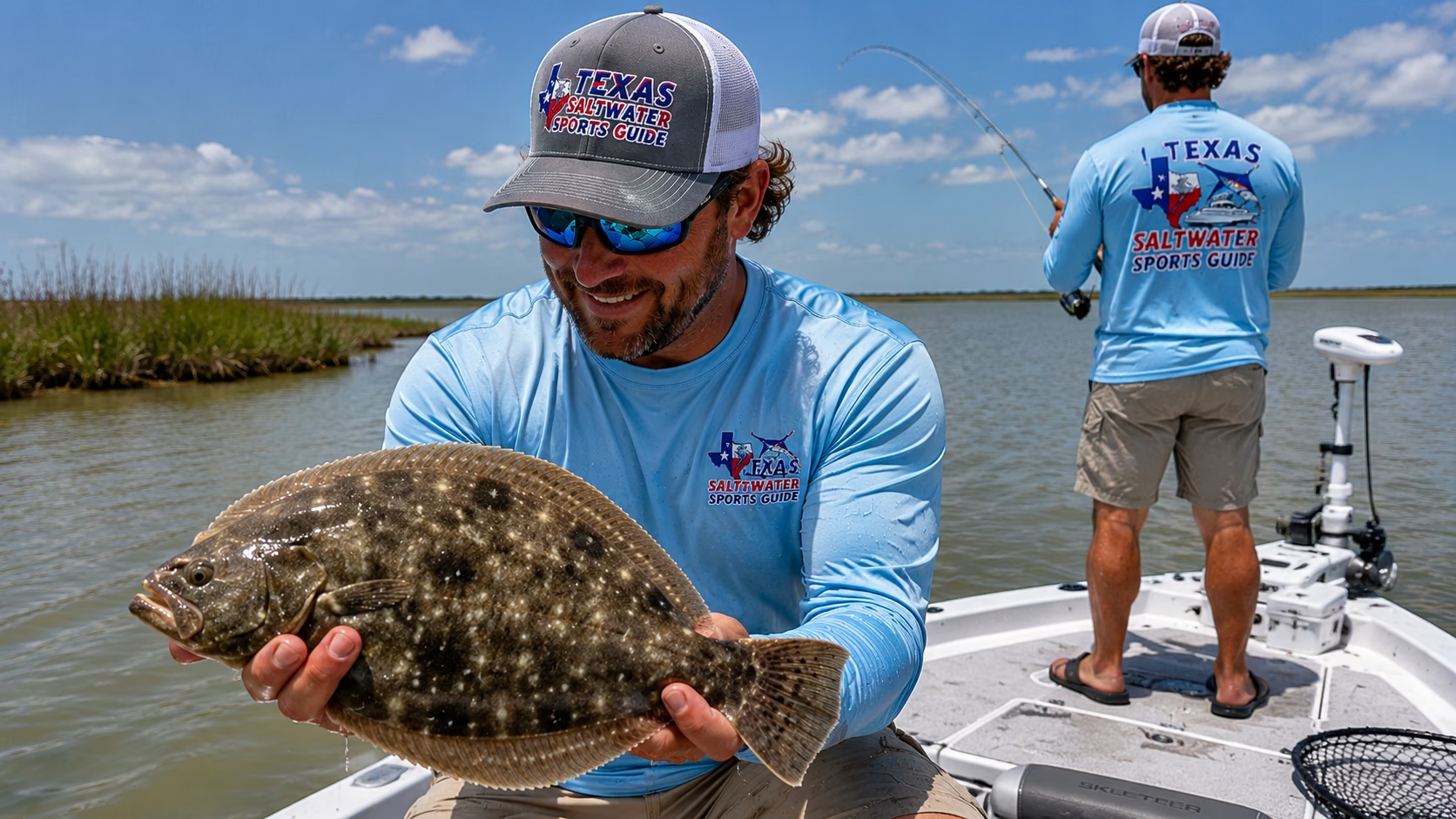
A Texas Gulf Coast guide to chasing flatfish through marsh drains, oyster shorelines, and tidal channels
There’s something about flounder fishing that slows a man down.
Maybe it’s the way a flounder strikes... not with the violent crash of a jack crevalle or the bulldog pull of a redfish, but with a subtle heaviness that feels almost like your lure drifted into a wet towel on the bottom.
Or maybe it’s because flounder themselves seem patient.
They lie motionless against mud and shell, nearly invisible, waiting for shrimp and baitfish to make one careless mistake.
Along the middle Texas coast, few places offer better habitat for these ambush predators than Aransas Bay.
If you’re searching for Flounder fishing in Aransas Bay Texas, you’re looking at one of the finest flounder systems on the Gulf Coast. Aransas Bay combines marsh drains, tidal creeks, oyster reefs, shallow mud flats, and deeper migration channels into exactly the kind of country Southern flounder love.
This is classic Texas coastal fishing.
Quiet mornings in the marsh. Outgoing tides pulling shrimp through narrow cuts. Bay boats easing across slick water while gulls cry overhead. Waders standing knee-deep beside shell shorelines waiting for that unmistakable “thump.”
And once you catch your first good Aransas Bay flounder at sunrise beneath scattered coastal clouds, odds are you’ll spend the rest of your life trying to relive that moment.
Understanding Aransas Bay
Aransas Bay lies along the middle Texas coast near Rockport, Fulton, Aransas Pass, and Port Aransas. The bay system connects with Redfish Bay, Saint Charles Bay, Copano Bay, and Mesquite Bay before eventually flowing into the Gulf of Mexico through Aransas Pass.
Aransas Bay covers approximately 110 square miles depending on tides and seasonal conditions.
Freshwater enters the system primarily through:
-
The Mission River
-
The Aransas River
-
Seasonal marsh runoff
-
Coastal creeks and estuaries
Combined with Gulf tidal flow, this creates rich estuarine habitat loaded with:
-
Shrimp
-
Finger mullet
-
Mud minnows
-
Small crabs
-
Baitfish
That buffet line keeps flounder well fed.
According to the Texas Parks and Wildlife Department, Aransas Bay supports healthy populations of:
-
Southern Flounder
-
Speckled Trout
-
Redfish
-
Black Drum
-
Sheepshead
-
Mangrove Snapper
TPWD coastal fishing reports frequently note flounder activity around marsh drains, channels, docks, and oyster shorelines throughout the Aransas Bay complex.
Why Flounder Thrive in Aransas Bay
Flounder are ambush predators.
Unlike trout that often suspend or roam open water, flounder prefer:
-
Bottom structure
-
Current breaks
-
Mud and shell transitions
-
Tidal funnels
Aransas Bay provides endless amounts of all four.
The bay’s:
-
Marsh drains
-
Oyster shorelines
-
Creek mouths
-
Tidal cuts
-
Grass edges
-
Deeper channels
all create perfect ambush points.
A flounder simply buries itself against the bottom and waits.
And when shrimp or baitfish drift too close... game over.
The Personality of Flounder Fishing
Flounder fishing isn’t rushed.
That’s part of its charm.
You work slower. Pay more attention. Drift carefully. Watch the tides. Feel the bottom.
Many experienced Texas coastal fishermen compare flounder fishing to hunting.
You’re searching for likely ambush points and carefully presenting a lure exactly where a fish might be hiding.
That subtle style of fishing grows on you.
Especially when a good flatfish suddenly doubles the bend in your rod.
Weather and Seasonal Conditions
The middle Texas coast offers year-round fishing.
Spring
-
Warming water
-
Increased bait movement
-
Good shallow action
Summer
-
Hot and humid
-
Productive nighttime fishing
-
Fish spread across flats and shorelines
Fall
-
Prime flounder migration season
-
Excellent tidal movement
-
Best overall action
Winter
-
Slower fishing
-
Fish concentrate deeper
-
Stable weather patterns matter
The best flounder conditions usually include:
-
Moving tides
-
Moderate wind
-
Slightly stained water
-
Falling tides near marsh systems
Spring Flounder Fishing in Aransas Bay
Spring wakes the bay back up after winter.
Shrimp begin moving into marsh systems. Mullet schools spread across shallow shorelines. Water temperatures climb into the 60s and low 70s.
Flounder move shallower and begin feeding aggressively.
Best Spring Habitat
-
Marsh drains
-
Mud flats
-
Oyster shorelines
-
Creek mouths
Best Depths
-
1 to 4 feet
Productive Spring Baits
-
Paddle tails
-
Curl-tail grubs
-
Gulp shrimp
-
Live mud minnows
Best Colors
-
New penny
-
Root beer
-
Pearl/chartreuse
-
Pumpkinseed
Slow retrieves are critical.
Cast, let the lure hit bottom, then:
-
Lift
-
Pause
-
Drag
Most bites feel soft.
Sometimes it simply feels “heavy.”
Summer Flounder Fishing
Summer spreads flounder throughout the bay system.
Fish hold around:
-
Grass edges
-
Dock pilings
-
Channel edges
-
Oyster reefs
Early mornings and evenings are best.
Night fishing around dock lights can also be excellent.
Summer Techniques
-
Slow soft-plastic retrieves
-
Carolina-rigged live bait
-
Jigging along drop-offs
Productive Live Baits
-
Mud minnows
-
Finger mullet
-
Live shrimp
Many Texas coastal anglers still consider mud minnows the gold standard for flounder.
Fall Flounder Fishing in Aransas Bay
Fall is legendary.
This is when Texas flounder begin migrating toward Gulf passes and deeper channels.
And Aransas Bay becomes one of the finest flounder fisheries on the coast.
Best Fall Locations
-
Tidal drains
-
Channel intersections
-
Creek mouths
-
Shoreline cuts
Best Fall Conditions
-
Falling tides
-
North wind conditions
-
Moving water
Outgoing tides flush shrimp and baitfish through marsh systems.
Flounder stack near these funnels waiting to ambush prey.
Best Fall Lures
-
Soft plastics on jigheads
-
Scented shrimp imitators
-
Live finger mullet
This is the season when many Texas anglers specifically target flounder.
Winter Flounder Fishing
Winter fishing requires patience.
Most flounder hold deeper and feed less aggressively.
Best Winter Habitat
-
Channels
-
Deep mud bottoms
-
Protected shorelines
-
Tidal creeks
Productive Winter Presentations
-
Slow dragging retrieves
-
Scented plastics
-
Live bait near bottom
Winter fish often bite lightly.
Sensitivity matters.
Best Areas for Flounder Fishing in Aransas Bay
Marsh Drains Near Saint Charles Bay
Excellent during outgoing tides.
Talley Island Shorelines
Good mud and shell habitat.
Estes Flats Channels
Productive migration routes.
Goose Island Shorelines
Strong bait movement and shallow structure.
Aransas Pass Area
Excellent during fall migrations.
Redfish Bay Channels
Classic flounder ambush water.
Bay Boat Fishing for Flounder
A shallow-running bay boat opens the entire Aransas system.
Ideal setups include:
-
20 to 24 foot bay boats
-
Trolling motors
-
GPS/chartplotters
-
Jack plates
Flounder fishermen often drift slowly along:
-
Shorelines
-
Marsh drains
-
Oyster reefs
-
Channel edges
Quiet boat control matters.
Many fish hold in surprisingly shallow water.
Wade Fishing for Flounder
Some of the best flounder fishing happens with wet boots.
Wading allows anglers to:
-
Fish quietly
-
Work shorelines slowly
-
Feel bottom transitions
Good wading areas include:
-
Mud and shell shorelines
-
Grass edges
-
Marsh drains
Shuffle carefully.
Stingrays are common.
Shore and Jetty Fishing
Excellent public access exists around the Aransas Bay system.
Goose Island State Park
Excellent shoreline access.
Website:
Goose Island State Park
Phone: (361) 729-2858
Fulton Fishing Pier
Good nighttime flounder opportunities near lights and structure.
Port Aransas South Jetty
Excellent seasonal migration fishing.
Fall flounder runs near passes can be outstanding.
Best Rods and Reels for Flounder
Rod
-
6’6” to 7’ Medium Light spinning rod
-
Fast sensitive tip
Reel
-
2500 size spinning reel
Line
-
10 to 15 lb braided line
Leader
-
15 to 20 lb fluorocarbon
Sensitivity is critical for detecting subtle bites.
Best Flounder Lures
Texas flounder anglers tend to keep lure selections simple.
Certain baits consistently produce.
Paddle Tail Plastics
Best Sizes
-
3 to 4 inches
Productive Colors
-
New penny
-
Root beer
-
White/chartreuse
-
Pearl
Curl Tail Grubs
Excellent in stained water.
Scented Shrimp Imitators
Very productive during cooler months.
Live Baits
-
Mud minnows
-
Finger mullet
-
Live shrimp
TPWD fishing reports regularly mention flounder being caught near channels, shorelines, docks, and marsh drains on soft plastics and live bait.
Tides and Water Movement
Tides drive flounder fishing.
Incoming Tides
Push bait shallow into marshes.
Outgoing Tides
Flush bait from drains and creeks.
Most experienced flounder fishermen strongly prefer outgoing tides.
That moving water concentrates bait and positions fish predictably.
Flounder Regulations and Limits
Texas flounder regulations can change yearly.
Always verify current regulations through:
Texas Parks and Wildlife Saltwater Regulations
Check:
-
Seasonal closures
-
Bag limits
-
Possession limits
-
Slot regulations
before fishing.
Other Popular Fish Species
While targeting flounder, anglers often encounter:
-
Redfish
-
Speckled Trout
-
Black Drum
-
Sheepshead
Aransas Bay offers excellent mixed-bag fishing opportunities year-round.
Marinas and Boat Ramps
Cove Harbor Marina
Cove Harbor Marina
Phone: (361) 729-4222
Email: marina@coveharbor.com
Conn Brown Harbor
Website: Conn Brown Harbor
Phone: (361) 758-5300
Goose Island State Park Boat Ramp
Website: Goose Island State Park Boat Ramp
Phone: (361) 729-2858
Bait Camps
Woody's Sports Center
Website: Woody's Sports Center
Phone: (361) 749-5252
Fulton Harbor Bait Stand
Live shrimp, mud minnows, finger mullet, tackle, and local fishing information.
Lodging Near Aransas Bay
The Lighthouse Inn at Aransas Bay
Website: The Lighthouse Inn at Aransas Bay
Phone: (361) 790-8439
Email: info@lighthousetexas.com
Inn at Fulton Harbor
Website: Inn at Fulton Harbor
Phone: (361) 790-9922
Hampton Inn & Suites Rockport-Fulton
Hampton Inn & Suites Rockport-Fulton
Phone: (361) 727-2228
Driving Routes to Aransas Bay
From Austin
Approximately 3.5 hours via US-183 South and TX-35.
From Houston
Approximately 3.5 to 4 hours via I-69 and TX-35.
From San Antonio
Approximately 2.5 hours via US-181 South.
From Corpus Christi
Approximately 45 minutes via TX-35 North.
From Dallas
Approximately 6.5 hours via I-35 South and TX-35.
From Fort Worth
Approximately 6 hours via I-35W South.
Boating Safety on Aransas Bay
The Texas coast can become rough quickly.
Essential safety gear includes:
-
Coast Guard approved life jackets
-
VHF marine radio
-
GPS navigation
-
Weather radar app
-
First aid kit
-
Spare prop tools
Strong north winds can rapidly empty shallow flats during winter.
Summer thunderstorms can build quickly across the bay system.
Always monitor weather carefully.
Final Thoughts on Flounder Fishing in Aransas Bay Texas
Flounder fishing isn’t loud.
It’s subtle.
Quiet drifts beside marsh grass. Slow retrieves over shell. Watching tides slide through narrow drains while shrimp skip nervously across muddy current seams.
That’s the rhythm of Flounder fishing in Aransas Bay Texas.
The longer you fish here, the more you learn success usually comes from slowing down enough to notice small things:
-
Current direction
-
Bottom transitions
-
Nervous bait
-
Tiny marsh cuts most boats run past
Because somewhere down there beneath the stained green water, half buried against mud and shell, a flounder is waiting patiently for your lure to drift just a little too close.
And when it does... you’ll feel that soft little thump that keeps Texas coastal fishermen coming back generation after generation.
0 Comments