
A Texas Gulf Coast tradition of tide, wind, marsh grass, and copper-backed redfish
There are places along the Texas coast where the water itself seems alive.
Not just moving, but breathing.
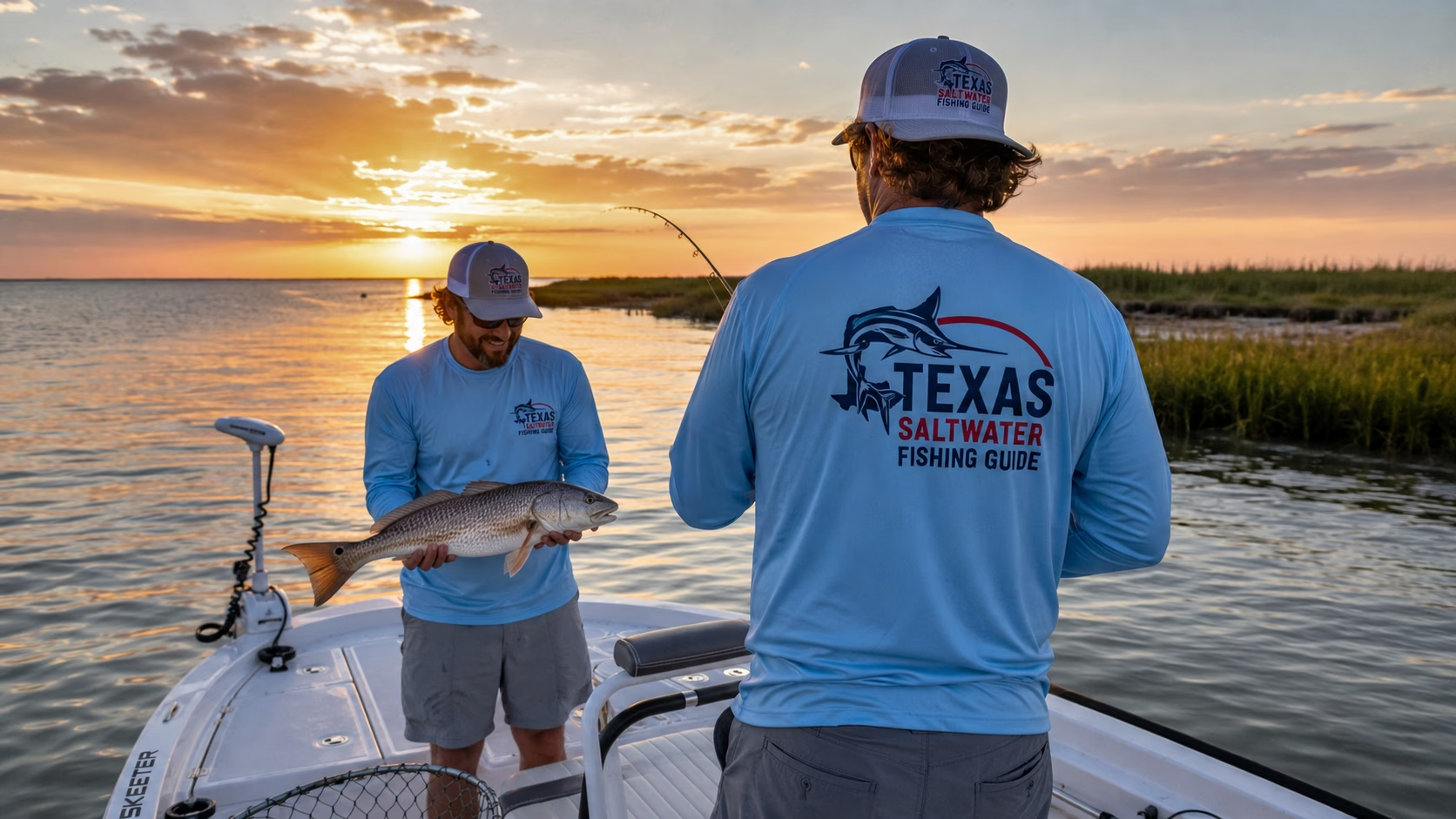
At sunrise on Aransas Bay, the marsh grass sways in the southeast breeze, mullet skip across nervous slicks, gulls wheel overhead hunting shrimp, and somewhere beyond the glow of dawn a redfish pushes a wake across a shallow flat like somebody slowly dragging a canoe paddle just beneath the surface.
That’s Aransas Bay.
If you grew up fishing Texas saltwater, chances are you’ve heard stories about it around bait camp coffee pots, marina cleaning tables, or under the shade of a boat barn while a north wind rattled aluminum signs overhead.
For generations, this bay system has quietly produced some of the finest Speckled Trout and Redfish fishing on the Texas Gulf Coast. Not with flashy tourism or carnival boardwalks, but the old-fashioned way... through miles of marsh shoreline, oyster reefs, grass flats, tidal cuts, and fish-rich estuaries that simply keep producing year after year.
This guide is for folks searching for Aransas Bay Saltwater Fishing, whether you’re launching a shallow-running Skeeter bay boat before daylight, wading a shoreline knee-deep in nervous mullet, or introducing grandkids to their first saltwater trout beneath a pink coastal sunrise.
Understanding Aransas Bay
Aransas Bay lies along the middle Texas coast near Rockport, Fulton, and Aransas Pass. The bay system connects with Copano Bay, Saint Charles Bay, Mesquite Bay, and Redfish Bay, eventually flowing into the Gulf of Mexico through Aransas Pass.
The bay itself covers roughly 110 square miles depending on tide levels and marsh conditions. It’s relatively shallow overall, with most productive fishing occurring in water from 2 to 8 feet deep.
Freshwater inflow comes primarily from:
-
The Mission River
-
The Aransas River
-
Seasonal marsh runoff
- Tidal exchange through the Gulf passes
This mix of fresh and saltwater creates one of the richest estuaries in Texas.
According to the Texas Parks and Wildlife Department, Aransas Bay consistently produces healthy populations of:
-
Speckled Trout
-
Redfish
-
Black Drum
-
Southern Flounder
-
Sheepshead
-
Mangrove Snapper
-
Spanish Mackerel
-
Jack Crevalle
- Tarpon during warmer months
TPWD coastal fishing reports regularly highlight Aransas Bay for productive trout and redfish action around reefs, grass flats, channels, and marsh drains.
The Character of Aransas Bay
Some bays fish small.
Aransas fishes big.
You can run broad open water chasing birds one day, then spend the next tucked into protected marsh shorelines sight-casting redfish in water barely deep enough to float a pelican.
That variety is what makes the bay special.
On calm summer mornings, the water over grass flats can turn almost Caribbean green. In winter, hard north winds drain water from the marshes and expose muddy shorelines where redfish root like pigs in wet pasture grass.
Every season changes the bay’s personality.
That’s why fishermen return year after year.
Weather and Fishing Conditions
The Texas middle coast has a humid subtropical climate.
Spring
-
Mild mornings
-
Increasing southeast winds
- Water warming into the 70s
Summer
-
Hot and humid
-
Light morning winds
- Afternoon thunderstorms possible
Fall
-
Cooling temperatures
-
Excellent tidal movement
- Prime fishing season
Winter
-
Frequent cold fronts
-
Strong north winds
- Dramatic falling tides
The best fishing conditions generally include:
-
Water movement
-
Moderate tides
-
Wind under 15 mph
- Stable barometric pressure
Speckled Trout Fishing in Aransas Bay
Spring Speckled Trout Patterns
Spring brings warming water and aggressive trout.
Fish begin moving onto:
-
Grass flats
-
Oyster reefs
- Shoreline drop-offs
Focus on:
-
Early morning topwater action
-
Mid-depth grass beds
- Potholes in shallow flats
Best lures
-
Topwaters
-
Soft plastics
- Suspending twitch baits
Productive colors
-
Bone
-
Pink/silver
-
Pearl/chartreuse
- Opening night
Lure sizes
- 3 to 5 inches
TPWD fishing reports frequently note spring trout relating to grass beds and shell structure throughout the Aransas system.
Summer Trout Fishing
Summer trout fishing often means early mornings.
By noon, the Texas sun can turn a casting deck hot enough to fry bacon.
Target:
-
Deeper reefs
-
Channels
-
Windblown shorelines
- Grass edges
Live croaker becomes popular during summer, though artificial anglers still catch plenty of trout on paddle tails and topwaters.
Best depths
- 3 to 6 feet
Productive presentations
-
Slow twitch retrieve
-
Walk-the-dog topwaters at daylight
- Soft plastics bounced near shell
Fall Trout Fishing
Fall may be the finest trout season of the year.
Cooling water temperatures trigger feeding binges.
Look for:
-
Shrimp migrations
-
Diving birds
-
Slicks
- Bait schools
This is classic Texas coastal fishing.
You’ll see boats easing across calm water while gulls scream overhead and trout explode beneath nervous shrimp.
Best fall lures
-
Soft plastics
-
Cork rigs
- Topwaters
Winter Trout Fishing
Big trout season.
Winter trout often stack along:
-
Deep shell reefs
-
Mud bottoms
- Channels near flats
Slow presentations become critical.
Many experienced coastal anglers prefer:
-
Corky-style suspending baits
-
Slow-sinking twitch baits
- Dark-colored soft plastics
Redfish Fishing in Aransas Bay
 If trout are the glamour fish of the Texas coast, redfish are the working cowboys.
They pull hard, eat aggressively, tolerate rough weather, and thrive in shallow marshes where other fish struggle.
Aransas Bay is loaded with redfish habitat.
Spring Redfish Patterns
Spring reds roam:
-
Shorelines
-
Marsh drains
- Grass flats
Look for:
-
Mud boils
-
Wakes
- Tailing fish
Best spring lures
-
Gold spoons
-
Paddle tails
- Weedless plastics
Productive colors
-
Copper
-
Root beer
-
Gold
- White/chartreuse
Summer Redfish Fishing
Summer mornings often bring sight-casting opportunities.
Redfish cruise shallow:
-
Sand pockets
-
Grass shorelines
- Back lakes
Best tactics
-
Long casts
-
Quiet trolling motor approach
- Natural presentations
Nothing in fishing quite compares to watching a copper-backed redfish push water across a calm flat at sunrise.
Fall Redfish Action
Fall may be peak redfish season.
Cooling temperatures bring aggressive feeding.
Schools of reds often roam:
-
Marsh shorelines
-
Oyster reefs
- Windblown banks
Bull reds may also appear near passes and jetties.
Winter Redfish
Winter reds gather in deeper mud-bottom areas where sunlight warms shallow water.
Dark bottoms absorb heat and attract bait.
Slow-moving plastics and scented baits become productive.
Other Popular Game Fish
Southern Flounder
Found near marsh drains, docks, and channels.
Black Drum
Excellent around shell reefs and deeper channels.
Sheepshead
Popular around docks and pilings.
Mangrove Snapper
Occasionally found near structure during warmer months.
Best Areas of Aransas Bay
Estes Flats
Famous shallow-water redfish area.
Dunham Point
Excellent shoreline structure.
Talley Island Shoreline
Productive trout water.
Mud Island Area
Great for drifting shell reefs.
Goose Island Shoreline
Good redfish habitat.
Aransas Pass Jetties
Excellent for larger fish and seasonal migrations.
Shore Fishing and Jetty Fishing
Not every angler needs a bay boat.
Some of the best memories on the Texas coast happen standing on a pier with shrimp under a popping cork.
Popular shore-access locations include:
Fulton Fishing Pier
Good nighttime trout and redfish action under lights.
Goose Island State Park
Excellent shoreline access and kayak fishing.
Port Aransas South Jetty
Seasonal action for bull reds, trout, and mackerel.
Best Rods and Reels
Trout Setup
-
7-foot Medium Light spinning rod
-
2500 size spinning reel
- 10 to 15 lb braid
Redfish Setup
-
7-foot Medium rod
-
3000 size reel
- 15 to 20 lb braid
Leader
- 20 lb fluorocarbon
Modern braided line allows anglers to feel subtle bites and maintain better hooksets in windy coastal conditions.
Best Artificial Lures
Speckled Trout Favorites
-
Topwaters
-
Paddle tails
- Twitch baits
Redfish Favorites
-
Gold spoons
-
Weedless plastics
- Paddle tails
Productive soft plastic colors
-
New penny
-
Bone diamond
-
Root beer/chartreuse
-
Plum/chartreuse
- Opening night
Tides and Water Movement
Tide movement drives Aransas Bay fishing.
Incoming tides
Push bait into marshes and shallow grass.
Outgoing tides
Concentrate bait near drains and channels.
Many experienced anglers plan entire trips around tidal flow rather than the clock.
Bay Boats for Aransas Bay
Ideal bay boats include:
-
20 to 24 foot shallow draft hulls
-
Jack plates
-
Trolling motors
- GPS/chartplotters
A quality bay boat lets anglers safely run shallow flats while still handling rough afternoon chop.
Boating Safety
The Texas coast can become dangerous quickly.
Essential safety equipment:
-
Coast Guard approved life jackets
-
VHF marine radio
-
GPS/navigation charts
-
Weather radar app
-
First aid kit
- Spare prop tools
Summer thunderstorms can develop rapidly across the middle coast.
Winter northers can drop water levels dramatically and expose dangerous shell bars.
Marinas and Boat Ramps
Cove Harbor Marina
Website: Cove Harbor Marina
Phone: (361) 729-4222
Email: marina@coveharbor.com
Conn Brown Harbor
Website: Conn Brown Harbor
Phone: (361) 758-5300
Goose Island State Park Boat Ramp
Website: Goose Island State Park
Phone: (361) 729-2858
Bait Camps
Woody's Sports Center
Website: Woody's Sports Center
Phone: (361) 749-5252
Fulton Harbor Bait Stand
Live shrimp, croaker, tackle, and local fishing information.
Lodging Near Aransas Bay
The Lighthouse Inn at Aransas Bay
Website: The Lighthouse Inn at Aransas Bay
Phone: (361) 790-8439
Email: info@lighthousetexas.com
Inn at Fulton Harbor
Website: Inn at Fulton Harbor
Phone: (361) 790-9922
Hampton Inn & Suites Rockport-Fulton
Website: Hampton Inn & Suites Rockport-Fulton
Phone: (361) 727-2228
Driving Routes to Aransas Bay
From Austin
Approximately 3.5 hours
Route:
US-183 South to Cuero, then TX-35 to Rockport.
From Houston
Approximately 3.5 to 4 hours
Route:
I-69 South toward Victoria, then TX-35 South.
From San Antonio
Approximately 2.5 hours
Route:
US-181 South through Sinton into Rockport.
From Corpus Christi
Approximately 45 minutes
Route:
TX-35 North through Portland and Aransas Pass.
From Dallas
Approximately 6.5 hours
Route:
I-35 South through Austin, then US-183 and TX-35.
From Fort Worth
Approximately 6 hours
Route:
I-35W South connecting to I-35 and continuing toward the coast.
Fishing Seasons and Limits
Texas saltwater regulations can change yearly.
Current regulations, bag limits, and seasonal closures are available through the:
Texas Parks and Wildlife Department Saltwater Regulations
Always verify:
-
Trout slot limits
-
Redfish bag limits
-
Flounder seasonal closures
- Possession limits
before fishing.
Final Thoughts on Aransas Bay Saltwater Fishing
Aransas Bay still feels like old coastal Texas.
Not polished.
Not hurried.
Just honest water, working tides, and the steady rhythm of bait moving through marsh grass while gulls drift overhead in the morning breeze.
The longer you fish here, the more you realize success rarely comes from racing around the bay at sixty miles an hour. It comes from slowing down long enough to notice the small things:
A nervous mullet flip.
A slick forming on calm water.
A single redfish wake pushing across a flooded shoreline.
The smell of salt marsh and outboard exhaust mixing together before sunrise.
That’s the soul of Aransas Bay Saltwater Fishing.
And once it gets into your blood, a little piece of you stays out there forever somewhere between the oyster reefs and the tide.
0 Comments