
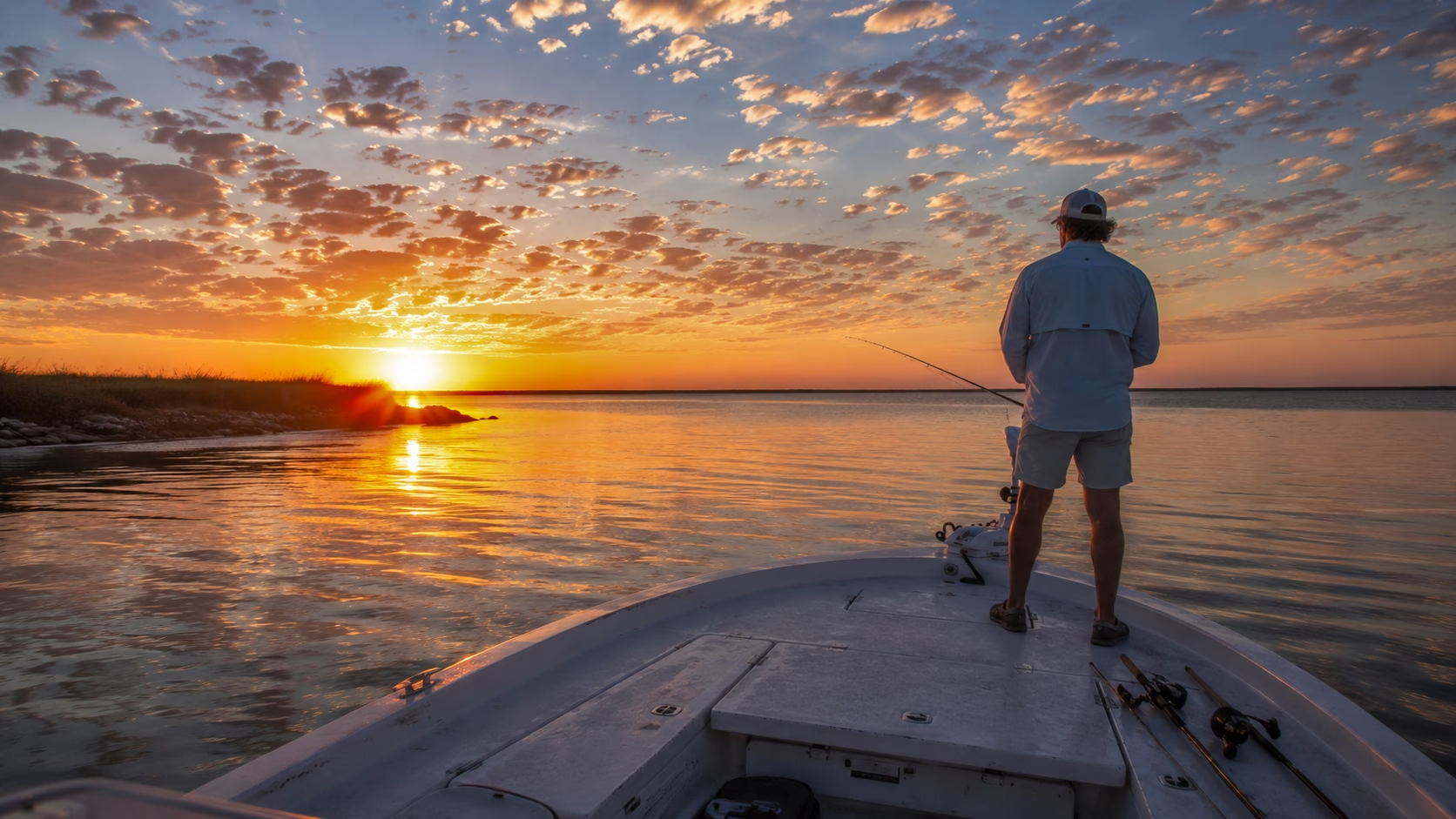
A Gulf Coast family guide to one of Texas’ finest back-bay flounder fisheries
If there’s a fish that teaches patience, rewards stubbornness, and can make an old salt grin like a boy with his first cane pole, it’s the Southern flounder.
Along the middle Texas coast, tucked north of Rockport and Fulton, sits one of those quiet places where the marsh breathes with the tide, mullet flick across slick mornings, and a flounder can lie motionless in six inches of water waiting to ambush the careless. That place is Saint Charles Bay.
If you’re searching for how to catch flounder in Saint Charles Bay Texas, this bay has earned its reputation the old-fashioned way... by producing fish for generations of Texas coastal anglers.
I’ve spent enough years around Texas water to know that some bays talk loud and some whisper. Saint Charles Bay whispers. And if you slow down and listen, it’ll tell you exactly where the flounder live.
Understanding Saint Charles Bay
Saint Charles Bay is part of the greater Aransas Bay system on the central Texas coast. It lies between the Lamar Peninsula and Blackjack Peninsula, sheltered from hard Gulf weather and rich with marsh drains, oyster shell, grass beds, mud bottoms, and tidal channels.
The bay is fed primarily by Cavasso Creek, seasonal marsh runoff, and tidal exchange flowing through the Aransas system. This blend of fresh and saltwater creates classic estuary habitat, the kind flounder, shrimp, mullet, and baitfish have favored for centuries.
Saint Charles Bay also borders both Goose Island State Park and Aransas National Wildlife Refuge, making it one of the most scenic and wildlife-rich bays on the coast.
Nearby species include:
-
Southern flounder
-
Red Drum (redfish)
-
Spotted Seatrout
-
Black Drum
-
Sheepshead
-
Mangrove snapper
-
Occasional jack crevalle
Why Saint Charles Bay Holds Flounder
Flounder aren’t roamers like trout. They’re ambush predators. They want current, bait, and structure.
Saint Charles Bay has all three:
1. Marsh drains
Every falling tide pulls shrimp and finger mullet out of marsh grass. Flounder stack near these funnels.
2. Oyster shell edges
Shell holds bait and creates current breaks.
3. Mud to sand transitions
A flounder blends perfectly where soft mud meets clean sand.
4. Small channels and cuts
Especially where Saint Charles meets deeper water toward Aransas Bay.
Texas coastal reports from Texas Parks and Wildlife Department consistently note flounder relating to channel edges, structure, docks, and current during seasonal migrations.
Official regulations and coastal reports:
Texas Parks and Wildlife Department
Flounder Seasons in Saint Charles Bay
Spring: March through May
As water temperatures rise into the 60s and low 70s, flounder leave winter holding areas and spread onto flats.
Best spring pattern:
-
Fish marsh drains on outgoing tides
-
Focus on 2 to 5 feet of water
-
Mud bottoms that warm quickly
Best lures:
-
3 inch paddle tails
-
1/8 oz jigheads
-
Colors:
-
New penny
-
Root beer
-
Pearl/chartreuse
-
Retrieve slowly... almost painfully slow. A flounder often hits like you snagged wet carpet.
Summer: June through August
Summer flounder spread wider.
Look for:
-
Grass lines
-
Dock pilings
-
Shoreline shell
-
Channel edges
Early morning or late evening is best.
Live bait shines:
-
Mud minnows
-
Finger mullet
-
Live shrimp
Rig on:
-
Carolina rig with 12 to 18 inch leader
-
1/4 oz egg sinker
Fall: September through November
This is prime time.
Every Texas flounder angler knows the fall migration is when things get serious.
Flounder begin moving toward passes and deeper channels on falling water temperatures.
Best locations:
-
Bayou mouths
-
Drain cuts
-
Channel intersections
-
Shoreline points
Best tactics:
Bounce soft plastics or mud minnows directly on bottom.
TPWD seasonal reports often show flounder improving around channels, docks, and structure during fall movement.
Winter: December through February
Most casual anglers give up.
That’s a mistake.
Winter flounder can be excellent if you slow down.
Target:
-
Dark mud bottoms
-
Protected shorelines
-
Deep channels near marsh drains
Fish painfully slow.
Texas Flounder Regulations
Always check current regulations with Texas Parks and Wildlife Department before fishing.
Official regulations:
Texas Saltwater Fishing Regulations
Seasonal closures and bag limits may change.
Best Places to Catch Flounder in Saint Charles Bay
1. Lamar shoreline
Shallow mud and shell, excellent on falling tides.
2. Marsh drains near Goose Island
Current funnels shrimp and mullet.
3. Mouths leading into Aransas Bay
Great during fall migration.
4. Dock systems and shoreline structure
Night fishing can be excellent under lights.
5. Secondary channels
Especially after a north wind.
Best Gear for Saint Charles Bay Flounder
Rod
7-foot Medium Light Spinning Rod
Ideal specs:
-
Fast tip
-
Sensitive blank
-
Enough backbone for bigger fish
Reel
2500 Size Spinning Reel
Line:
-
10 to 15 lb braid
-
15 to 20 lb fluorocarbon leader
That braid lets you feel the faint “thump” flounder often deliver.
Best Artificial Lures
My confidence baits in Saint Charles Bay:
Paddle tails
-
3 inch
-
4 inch
Curl tails
Great in stained water.
Gulp style shrimp
Particularly productive around channel edges.
Common productive colors:
-
New penny
-
White
-
Pearl/chartreuse
-
Root beer
-
Pumpkinseed
Texas reports have repeatedly noted scented soft plastics and bottom presentations producing flounder along channels and structure.
How to Work the Lure
Flounder fishing isn’t a race.
Cast. Let it hit bottom.
Then:
Lift... pause... drag.
Lift... pause... drag.
Most strikes happen on the pause.
When you feel pressure:
Don’t swing immediately.
Count:
“One... two...”
Then set the hook.
That little pause often turns missed fish into dinner.
Shore Fishing for Flounder
Not everyone owns a bay boat, and truth be told, some of the best flounder fishing happens with your boots on wet shell.
Top nearby shore spots include:
Fulton Fishing Pier
Open public pier with lights and bait nearby. Flounder are often caught around structure.
That’s what keeps us coming back.
0 Comments